Dust is one of the most common cleaning challenges in any home. It settles on furniture, electronics, floors, and even walls, making your living space look messy and affecting indoor air quality. While it might seem harmless, dust can contain allergens, dirt, pet dander, pollen, and even bacteria, which can impact your health.
The good news is that with the right techniques and tools, dust can be managed effectively. This guide explains the best ways to clean dust in your home, covering everything from simple daily habits to deep cleaning tips. Whether you live in a small apartment or a large house, these strategies will help you reduce dust and enjoy a cleaner, healthier environment.
Understanding Dust: What It Is and Where It Comes From
Dust is made up of tiny particles that float in the air and eventually settle on surfaces. Its sources include:
- Dead skin cells from humans and pets
- Pet hair and dander
- Fabric fibers from clothing, rugs, and furniture
- Pollen and outdoor dirt
- Dust mites and insect debris
Because dust particles are extremely small, they can remain airborne for hours. Activities like walking, vacuuming, or turning on fans can stir dust back into the air, making cleaning a continuous process.
Why Cleaning Dust Matters
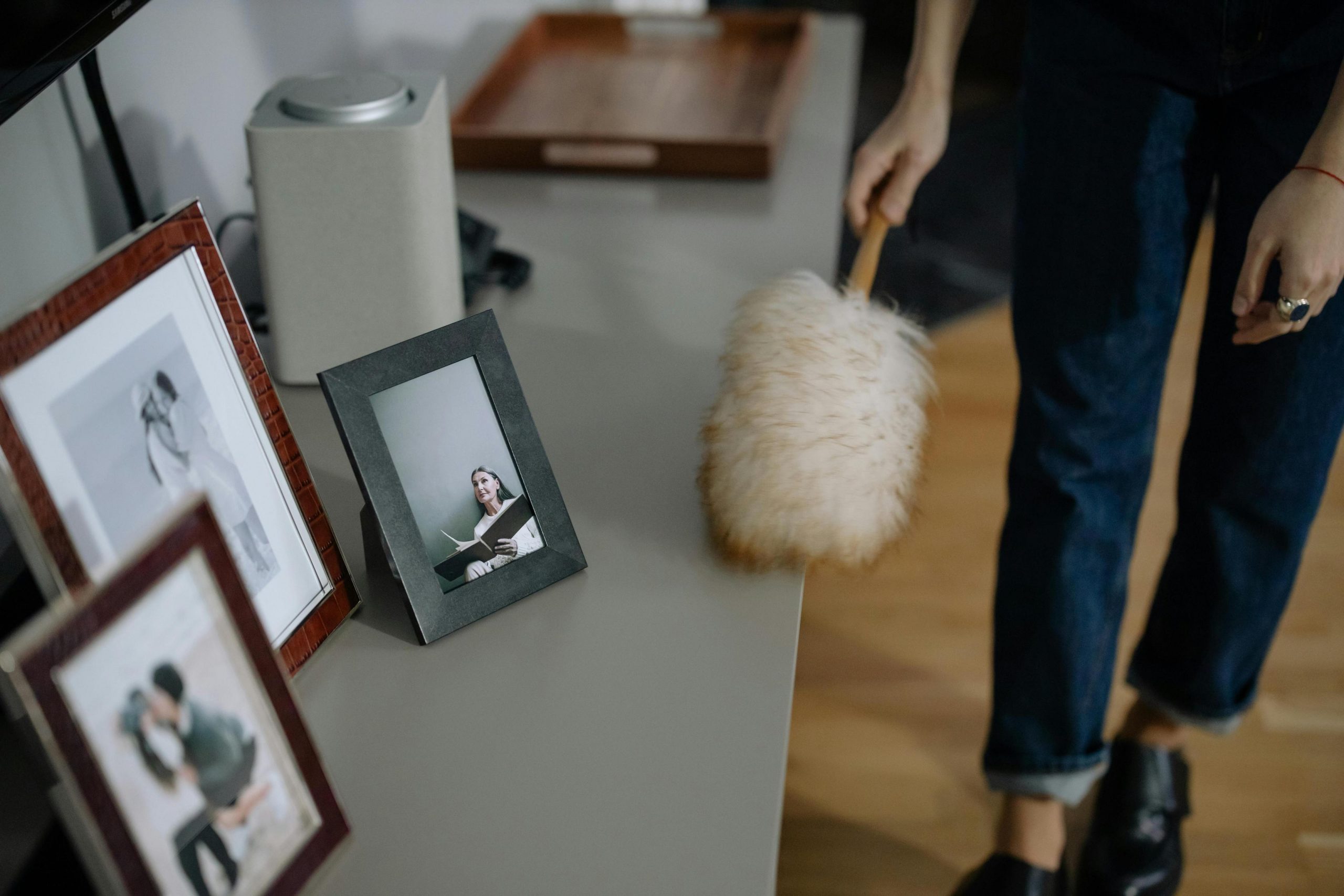
Keeping dust under control is not just about appearance; it also affects health and home comfort.
Health Impacts
Dust can aggravate allergies, trigger asthma, and irritate the eyes, nose, and throat. Fine dust may even carry pollutants or bacteria, increasing the risk of illness.
Home Comfort
Dust makes your home look unkempt, clogs air filters, settles on electronics, and can trap odors. Regular dust removal keeps your living space comfortable and visually appealing.
Reducing dust also improves indoor air quality, which makes breathing easier and promotes overall health.
The Best Tools for Dusting
The right tools make dust cleaning faster, easier, and more effective. Consider these essentials:
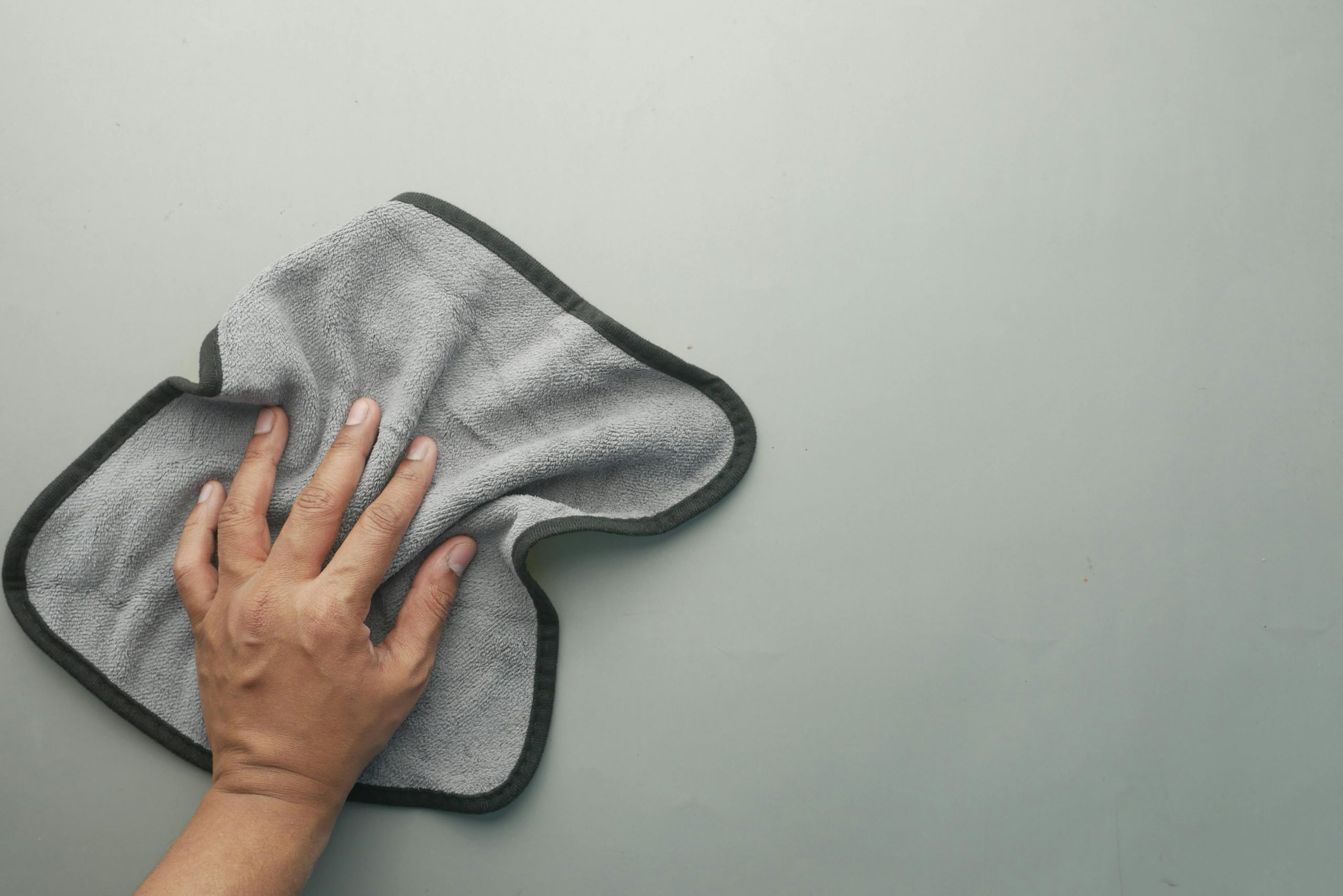
Microfiber Cloths
Microfiber traps dust instead of pushing it around. Use dampened cloths for best results.
Dusting Wands
Extendable dusters reach high shelves, ceiling fans, and corners.
Vacuum with HEPA Filter
HEPA vacuums trap fine dust, preventing it from recirculating into the air.
Electrostatic Dusters
These attract dust using static electricity, reducing airborne particles.
Air Purifiers
While not a direct cleaning tool, air purifiers reduce airborne dust and help keep surfaces cleaner longer.
Step-by-Step Guide: How to Clean Dust Effectively
1. Start from the Top
Dust falls, so begin with ceiling fans, light fixtures, and shelves. Use a microfiber cloth or an extendable duster to reach high spots.
2. Work Your Way Down
Next, dust furniture, countertops, electronics, and decorations. Pay attention to often-overlooked spots like picture frames, baseboards, and vents.
3. Focus on Floors Last
After dusting surfaces, vacuum or sweep floors. Use a vacuum with a HEPA filter to remove fine particles. For hard floors, consider a damp mop to trap remaining dust.
4. Don’t Forget Soft Surfaces
Upholstery, rugs, and curtains collect dust quickly. Vacuum or wash these items regularly. For bedding, wash sheets weekly and consider allergen-proof covers for mattresses and pillows.
5. Use a Damp Cloth for Sensitive Items
Avoid dry dusting delicate electronics or decorations. A lightly dampened microfiber cloth safely removes dust without scratching surfaces.
Tips to Reduce Dust Between Cleanings
Preventing dust buildup is just as important as cleaning it. Here are some helpful strategies:
Declutter Your Home
Fewer items mean fewer surfaces for dust to collect. Store things in cabinets or bins whenever possible.
Groom Pets Regularly
Pet hair and dander contribute significantly to indoor dust. Regular grooming reduces airborne particles.
Use Doormats and Remove Shoes
Minimize dirt tracked in from outside by using door mats and asking household members to remove shoes indoors.
Control Humidity
Dust particles settle faster at moderate humidity levels (around 40–50%). Use humidifiers or dehumidifiers as needed.
Improve Air Quality
Another important step is learning how to get dust out of the air. Using air purifiers with HEPA filters, maintaining HVAC systems, and limiting fan use during high-dust activities can greatly reduce airborne particles. Keeping windows closed when outdoor pollen or dust is high also helps maintain cleaner indoor air.
Combining these habits with regular cleaning creates a home that stays noticeably cleaner longer.
Common Mistakes That Make Dust Worse
Even frequent cleaners may unknowingly spread dust. Avoid these mistakes:
- Using Feather Dusters: They push dust into the air rather than removing it.
- Skipping Filter Changes: Dirty HVAC filters circulate dust throughout the home.
- Vacuuming Without a HEPA Filter: Regular vacuums can blow fine dust back into the air.
- Ignoring Soft Surfaces: Curtains, rugs, and upholstered furniture release dust when disturbed.
Small changes, like switching to microfiber cloths or updating filters regularly, make a big difference.
Cleaning High-Traffic Areas
High-traffic areas tend to accumulate dust faster. These include:
- Entryways and hallways
- Living rooms with heavy use
- Kitchens, especially countertops and cabinets
- Bedrooms with bedding and clothing
Focus extra attention on these areas, cleaning at least once or twice a week to prevent buildup.
Deep Cleaning Tips
Even with regular dusting and vacuuming, dust can accumulate in hidden and hard-to-reach areas over time. Performing a deep cleaning once or twice a year helps remove stubborn dust, allergens, and debris, keeping your home healthier and more comfortable.
Move Furniture
Large furniture pieces often trap dust underneath and behind them. During deep cleaning:
- Pull sofas, beds, and cabinets away from walls.
- Use a vacuum with a crevice tool or a microfiber mop to clean hard-to-reach spots.
- Don’t forget the undersides of tables and chairs, where dust tends to accumulate unnoticed.
Moving furniture also gives you the opportunity to check for pests, lost items, or signs of wear.
Clean Air Ducts and Vents
Air ducts and vents can distribute dust throughout your home if they are dirty. Consider professional cleaning to:
- Remove built-up dust, dirt, and allergens from ducts.
- Improve HVAC efficiency and airflow.
- Reduce odors caused by dust and mold.
Even simple maintenance, like vacuuming vent covers or replacing HVAC filters, can make a noticeable difference in indoor air quality.
Wash Walls and Ceilings
Walls and ceilings are often overlooked during routine cleaning, but dust and cobwebs can collect there over time. Tips for deep cleaning include:
- Use a microfiber mop or cloth to gently wipe surfaces.
- Focus on corners, crown molding, and areas near vents or fans.
- Avoid harsh chemicals that could damage paint; a mild soap and water solution usually works best.
This step not only reduces dust but also helps keep your home looking fresh and bright.
Clean Window Treatments
Curtains, blinds, and shades act like dust magnets. For a thorough clean:
- Wash fabric curtains according to care instructions.
- Dust blinds using a microfiber cloth or a soft brush.
- Consider vacuuming drapes with a brush attachment to remove settled dust.
Regular attention to window treatments prevents dust from being released into the air when you open, close, or adjust them.
Additional Tips for Deep Cleaning
- Don’t forget ceiling fans, light fixtures, and behind appliances.
- Consider rotating mattresses and cushions while cleaning.
- Use protective gloves and masks if you are sensitive to dust.
Performing deep cleaning periodically helps maintain a low-dust home environment, improves air quality, and ensures that your regular cleaning routine is more effective. It also extends the life of furniture, fabrics, and HVAC systems, keeping your home both healthy and inviting.
Maintaining Clean Air for Long-Term Results
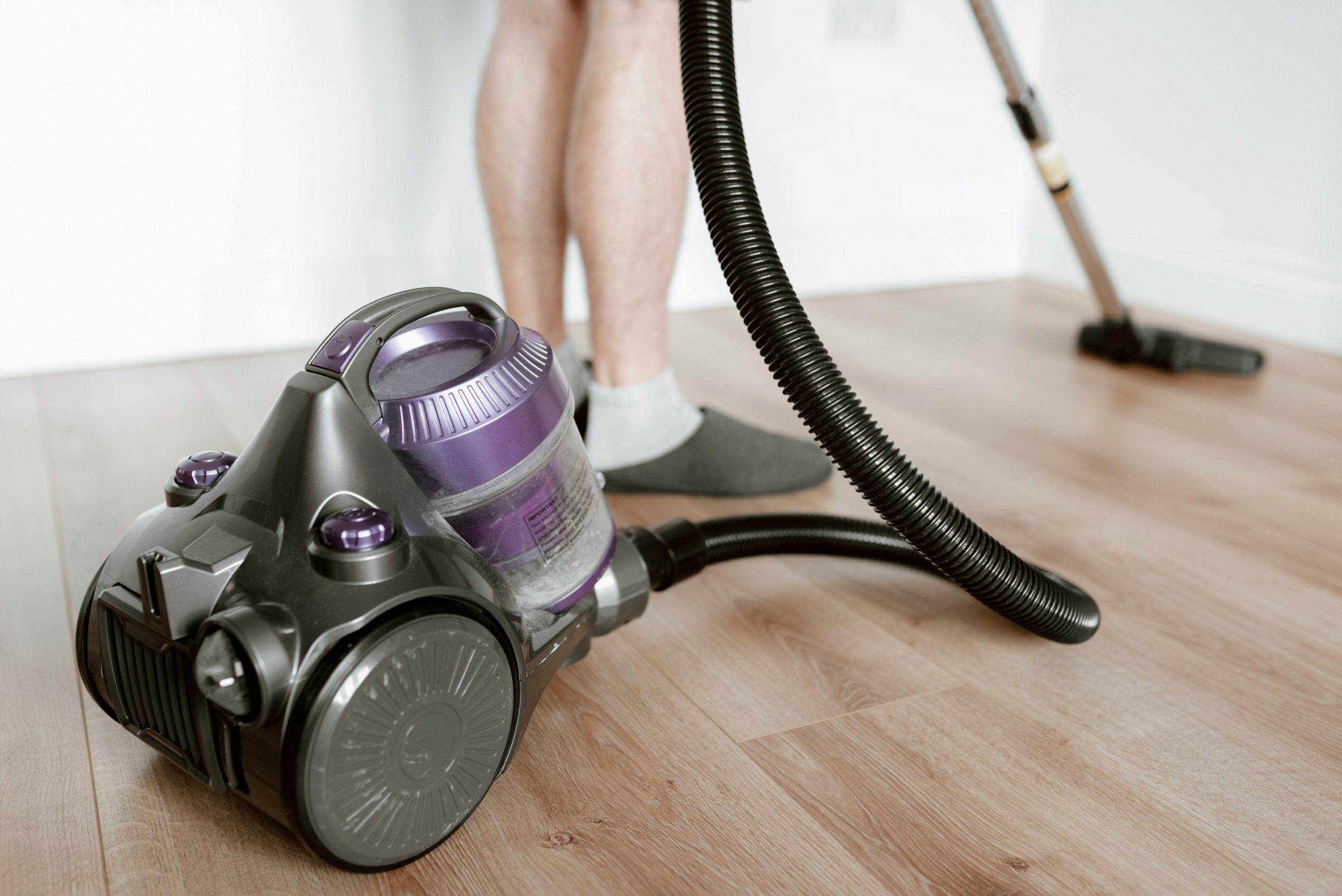
Daily cleaning alone is not enough if dust keeps returning. Combine cleaning routines with air quality improvements:
- Use air purifiers in main living spaces.
- Keep HVAC systems maintained with regular filter changes.
- Control humidity levels to prevent dust from floating.
- Reduce clutter to limit dust traps.
Consistency ensures your home remains dust-free and more comfortable.
The Benefits of a Dust-Free Home
Removing dust offers both immediate and long-term advantages:
- Improved Health: Fewer allergens and irritants in the air reduce sneezing, coughing, and respiratory issues.
- Cleaner Surfaces: Furniture, electronics, and floors stay cleaner longer.
- Longer-Lasting Home Systems: Less dust in HVAC systems improves efficiency and reduces energy costs.
- Enhanced Comfort and Aesthetics: A clean, dust-free home feels fresher, brighter, and more inviting.
Final Thoughts: Achieving a Dust-Free Home
The best way to clean dust combines proper tools, effective techniques, and smart preventative habits. By using microfiber cloths, HEPA-filtered vacuums, and air purifiers, you can remove dust efficiently. Pairing this with routines like weekly dusting, decluttering, and controlling humidity ensures that your home stays clean longer.
Dust may never disappear completely, but with consistent effort and the right strategies, it can be greatly reduced. Clean air and surfaces create a healthier, more comfortable living space for you and your family. Start today by implementing these tips, and enjoy a noticeable difference in your home’s cleanliness and air quality.