Dust in the air is more than just annoying—it can affect your health, comfort, and the overall cleanliness of your home. If you constantly see dust floating in sunbeams, settling on furniture, or triggering allergies, you are not alone. Many homeowners struggle with airborne dust, especially in older homes or busy households.
The good news is that there are practical, proven ways to get dust out of the air. You do not need expensive equipment or major renovations to make a noticeable difference. With the right mix of cleaning habits, airflow improvements, and smart home upgrades, you can dramatically reduce dust and breathe easier.
This guide explains how to get dust out of the air using clear, simple steps. It is written for homeowners and renters who want real solutions that work.
What Is Dust and Why Is It in the Air?
Dust is a mix of tiny particles that float through your home. It comes from many sources, both inside and outside.
Common Sources of Household Dust
- Dead skin cells from people and pets
- Pet dander and hair
- Pollen from outside
- Fabric fibers from carpets, furniture, and clothing
- Dirt tracked in from shoes
- Dust mites and insect particles
Because dust particles are so small, they stay suspended in the air for long periods. Every time you walk, sit down, or turn on a fan, dust gets stirred back up.
Why Removing Dust From the Air Matters
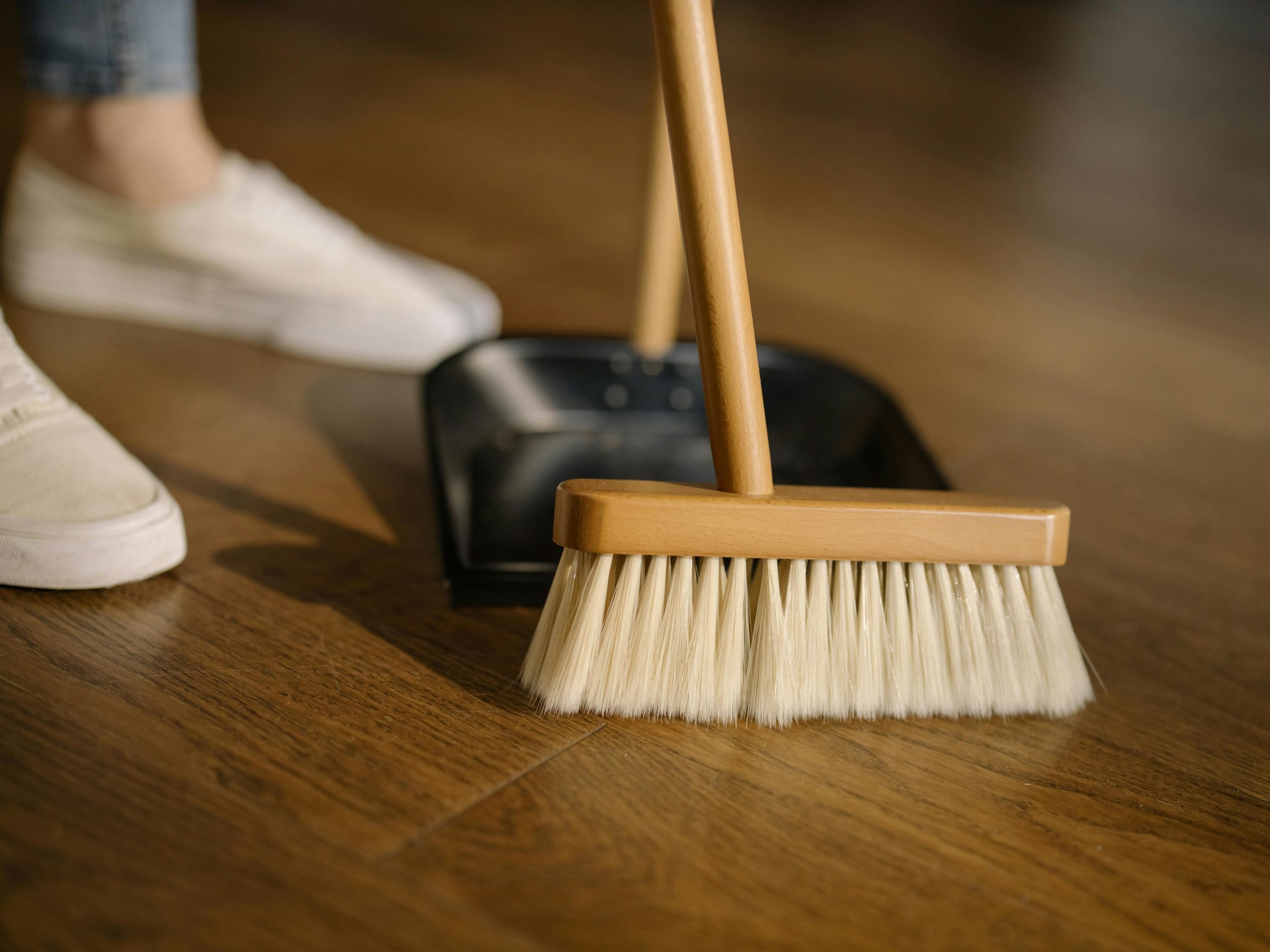
Airborne dust is more than a simple housekeeping problem. When dust stays in the air, it affects both your health and the overall condition of your home. Even homes that look clean can have poor air quality if dust is constantly circulating.
Health Effects of Dust
Dust contains tiny particles that are easy to breathe in. Over time, this can lead to several health issues, especially for children, older adults, and people with allergies or asthma.
Common health effects include:
- Triggers allergies and asthma: Dust can worsen sneezing, coughing, wheezing, and chest tightness.
- Irritates the eyes, nose, and throat: Fine particles can cause dryness, redness, and itching.
- Worsens breathing problems: Long-term exposure may make breathing uncomfortable or difficult.
- Carries bacteria or pollutants: Dust can hold pollen, mold spores, and other harmful particles that affect air quality.
Cleaner air reduces irritation and helps everyone in the home breathe more easily.
Home and Comfort Issues
Dust also affects how your home looks, feels, and functions.
Common home-related problems include:
- Rooms looking dirty quickly: Dust settles on surfaces soon after cleaning.
- Build-up on electronics and furniture: Dust can damage devices and dull surfaces over time.
- Clogged HVAC systems: Dusty air filters and vents reduce system efficiency and increase energy costs.
- Unpleasant odors: Dust can trap smells, making rooms feel stale.
Step 1: Improve Your Air Filtration
One of the most effective ways to remove dust from the air is better filtration.
Upgrade Your HVAC Air Filter
Your heating and cooling system moves air throughout your home. If the filter is low quality or dirty, dust keeps circulating.
Tips:
- Use a high-quality pleated filter (MERV 8–13 for most homes)
- Change filters every 1–3 months
- Replace more often if you have pets or allergies
A clean filter traps dust before it spreads.
Step 2: Use an Air Purifier
Air purifiers are designed to capture airborne particles.
Choose the Right Air Purifier
Look for:
- True HEPA filters (capture fine dust)
- Proper room size rating
- Quiet operation for daily use
Best Places to Use Air Purifiers
- Bedrooms
- Living rooms
- Home offices
- Near pet areas
Running an air purifier consistently can reduce airborne dust significantly.
Step 3: Clean Smarter, Not Harder
Cleaning habits play a huge role in how much dust stays in the air.
Avoid Dry Dusting
Dry dusting pushes particles into the air instead of removing them.
Do this instead:
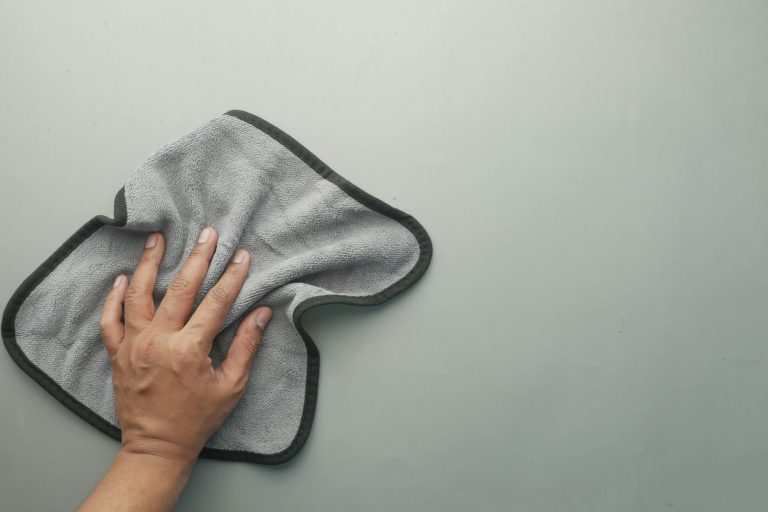
- Use damp microfiber cloths
- Wipe surfaces slowly
- Rinse cloths often
Microfiber traps dust rather than spreading it.
Step 4: Vacuum the Right Way
Vacuuming can either help or hurt air quality depending on how it’s done.
Use a HEPA Vacuum
Standard vacuums often blow fine dust back into the air.
Look for:
- Sealed systems
- HEPA filtration
- Adjustable suction
Vacuum High and Low
- Carpets and rugs
- Upholstered furniture
- Curtains and drapes
- Baseboards and corners
Vacuuming regularly keeps dust from becoming airborne again.
Step 5: Control Humidity Levels
Humidity affects how dust behaves in the air.
Ideal Indoor Humidity
- Between 40% and 50%
Low humidity allows dust to float easily, while moderate humidity helps dust settle.
How to Control Humidity
- Use a humidifier in dry climates
- Fix leaks and moisture issues
- Run bathroom and kitchen exhaust fans
Balanced humidity reduces airborne particles.
Step 6: Improve Airflow and Ventilation
Stale air allows dust to build up.
Increase Fresh Air Safely
- Open windows when outdoor air quality is good
- Use exhaust fans while cooking or showering
- Ensure vents are clean and unobstructed
Fresh air helps dilute indoor dust levels.
Step 7: Reduce Dust at the Source
The less dust you create, the less ends up in the air.
Simple Source-Control Tips
- Remove shoes at the door
- Wash bedding weekly in hot water
- Groom pets regularly
- Choose washable curtains and rugs
Reducing dust sources makes long-term control easier.
Step 8: Wash Soft Furnishings Often
Fabric holds dust and releases it when disturbed.
Items That Trap Dust
- Curtains
- Throw blankets
- Couch covers
- Pillows
Wash or vacuum these items regularly to prevent dust buildup.
Step 9: Declutter Your Space
More items mean more surfaces for dust to collect.
Decluttering Benefits
- Fewer dust traps
- Easier cleaning
- Better airflow
Store items in closed cabinets or bins to keep dust off them.
Step 10: Clean Air Ducts and Vents
Dirty ducts can spread dust throughout your home.
Signs Your Ducts Need Cleaning
- Visible dust around vents
- Musty odors
- Excess dust after cleaning
Professional duct cleaning can help, especially in older homes.
Step 11: Choose the Right Flooring
Flooring choices affect how much dust stays airborne.
Best Options for Dust Control
- Hardwood
- Tile
- Vinyl
If you have carpets:
- Use low-pile carpet
- Vacuum frequently
- Steam clean regularly
Hard surfaces hold less dust than carpets.
Step 12: Pay Attention to Bedding and Mattresses
Bedrooms often have high dust levels.
Tips for Cleaner Bedroom Air
- Use allergen-proof mattress covers
- Wash sheets weekly
- Avoid heavy fabric headboards
- Vacuum mattresses occasionally
Cleaner bedding improves sleep and air quality.
Step 13: Keep Windows and Doors Sealed
Outdoor dust easily enters through gaps.
Seal Entry Points
- Replace worn weatherstripping
- Seal cracks around windows
- Use door sweeps
This prevents outdoor dust from entering your home.
Step 14: Use Plants Carefully
Some plants can help with air quality, but they also collect dust.
Plant Care Tips
- Wipe leaves regularly
- Avoid overwatering
- Choose easy-to-clean plants
Clean plants help without adding dust problems.
Common Mistakes That Make Dust Worse
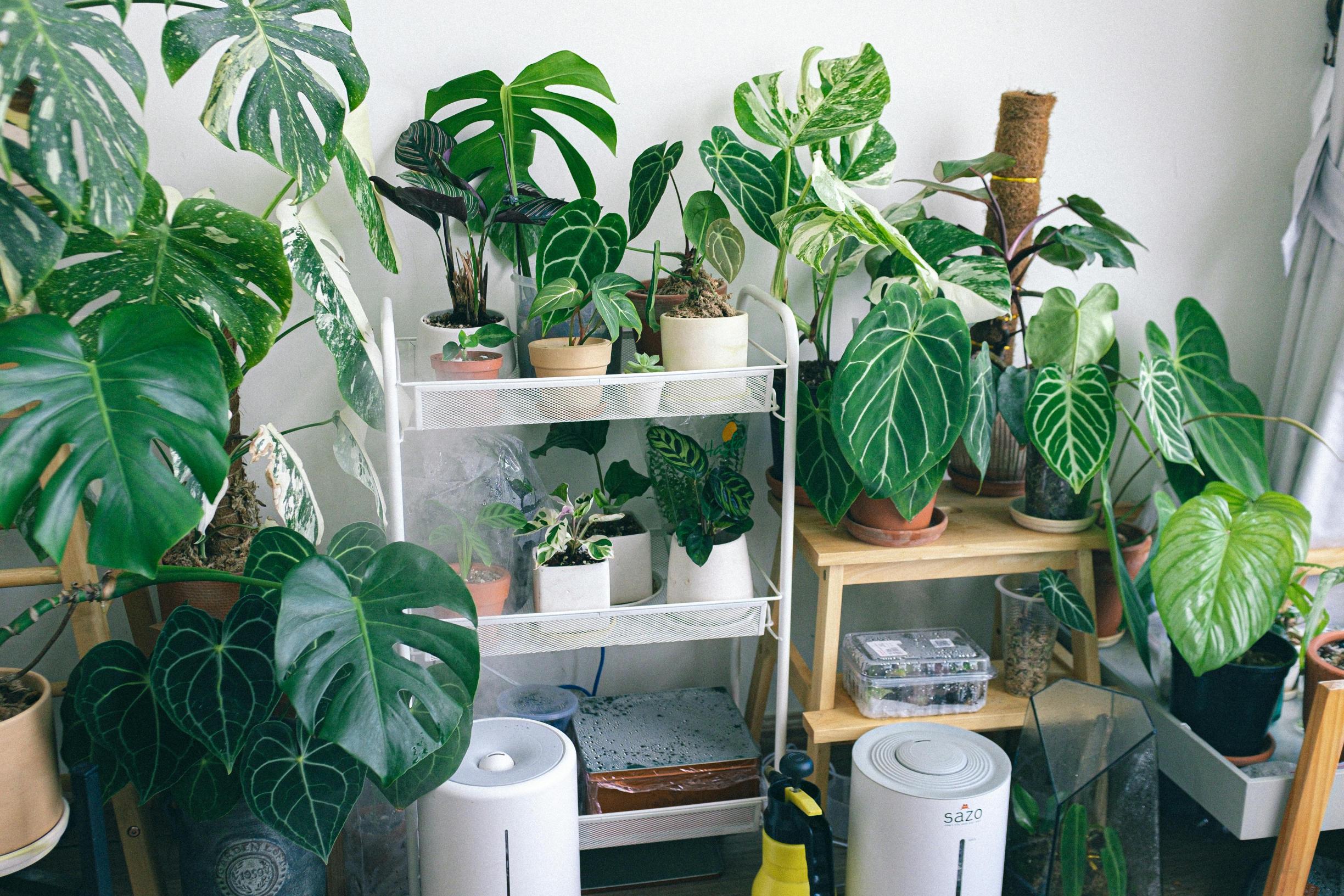
If dust seems to return no matter how often you clean, your daily habits may be part of the problem. Many homeowners unknowingly make small mistakes that send dust back into the air instead of removing it. Avoiding these common errors can greatly improve your indoor air quality.
Skipping Air Filter Changes
One of the biggest dust-related mistakes is forgetting to change your HVAC air filters. Dirty filters cannot trap dust effectively and often release particles back into the air. When filters are clogged, your system works harder and circulates dust throughout the home. Replace filters every one to three months, or more often if you have pets or allergies.
Using Feather Dusters
Feather dusters may look helpful, but they mostly move dust around instead of removing it. They stir particles into the air, allowing them to resettle on surfaces later. Instead, use damp microfiber cloths that trap dust and prevent it from becoming airborne.
Overusing Fans Without Filters
Fans can make a room feel cooler, but they also lift dust from floors, furniture, and fabrics. When used constantly, especially without air filtration, fans spread dust throughout the room. Use fans sparingly and pair them with air purifiers for better results.
Ignoring Soft Surfaces
Carpets, curtains, upholstery, and bedding collect large amounts of dust. When these items are not cleaned regularly, they release dust back into the air every time they are touched or moved. Vacuum fabrics often and wash soft items whenever possible.
Why Small Changes Matter
Reducing dust is not about deep cleaning every day. Simple habit changes—like switching cleaning tools or replacing filters on time—can make a noticeable difference. When you avoid these common mistakes, cleaner air becomes much easier to maintain.
How Long Does It Take to Reduce Dust in the Air?
Results vary, but many people notice improvement within:
- A few days with air purifiers
- 1–2 weeks with better cleaning habits
- A month with filtration and sealing improvements
Consistency is key.
Final Thoughts: Breathing Cleaner Air at Home
Learning how to get dust out of the air is one of the best things you can do for your home and health. Dust will never disappear completely, but you can control it.
By improving filtration, cleaning smarter, controlling humidity, and reducing dust sources, you create a cleaner, healthier living space. These steps work whether you live in a small apartment or a large house.
Clean air makes your home more comfortable, protects your health, and keeps your space looking fresh every day.